Biblical Widow’s Mite – Alexander Jannaeus Bronze Lepton – King of Judea 103–76 BC – Ancient Jewish Coin
Alexander Jannaeus Widow’s Mite / Lepton – Judea (103–76 BC) – Biblical Coin
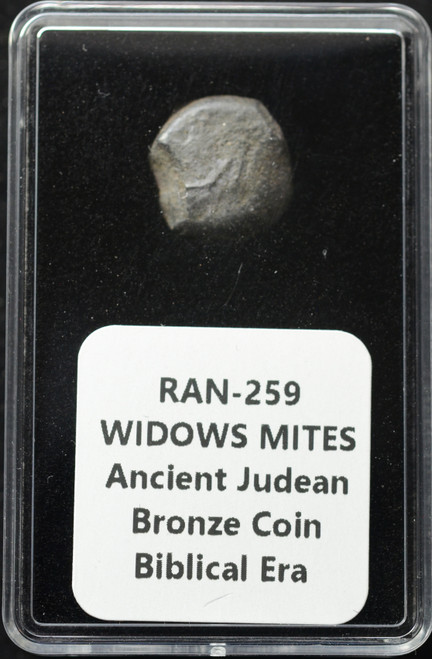
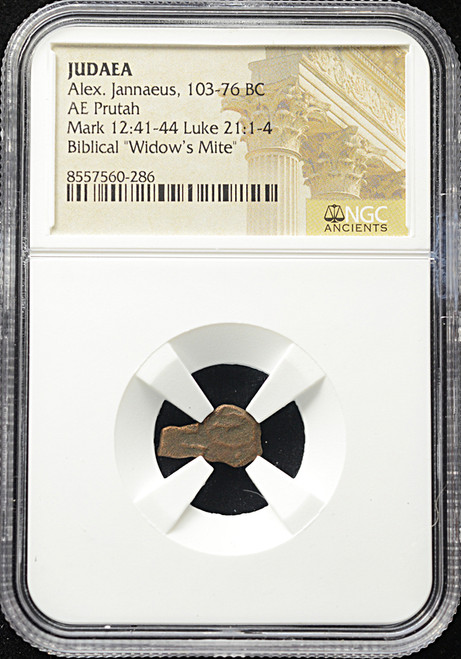
Own a remarkable piece of Biblical history with this authentic Widow’s Mite (Lepton) of Alexander Jannaeus, King and High Priest of Judea, struck between 103 and 76 BC. This tiny bronze coin is one of the most historically significant ancient coins associated with the land of Israel and the New Testament era.
Known as the Widow’s Mite, these small bronze coins were among the lowest denominations circulating in Judea during the centuries surrounding the life of Jesus. While the famous Biblical story does not identify the exact coin type with certainty, coins of this size and denomination were widely used in Jerusalem and remained in circulation during the time described in the Gospels.
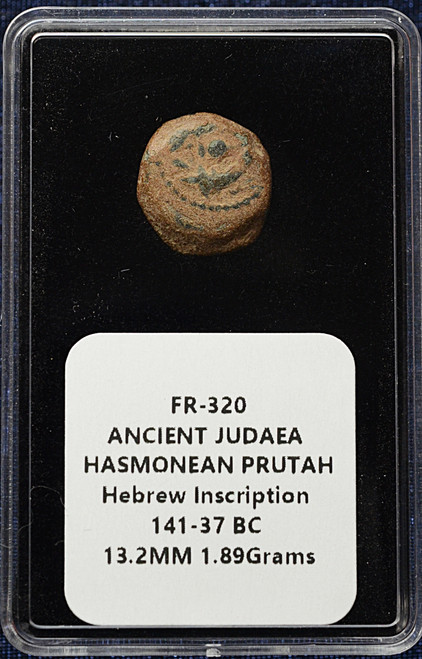
This example is notably attractive for the type, as many surviving Widow’s Mite coins are heavily worn, poorly struck, or have illegible designs. This specimen retains identifiable features and offers collectors an opportunity to own an authentic ancient Jewish coin connected to the historical world of the Bible.
Coin Specifications
- Issuer: Alexander Jannaeus (Yehonatan), King & High Priest of Judea
- Kingdom: Hasmonean Kingdom of Judea
- Date: 103–76 BC
- Denomination: Lepton (Widow’s Mite)
- Material: Bronze
- Weight: 0.61 grams
- Diameter: 10.6 mm
- Historical Period: Inter-Testamental Period / Second Temple Period
Design Details
Obverse:
- Aramaic inscription surrounding a star
- Encircled by a border of dots
Reverse:
- (Typical examples feature an anchor design with Greek inscription "Basileos Alexandrou" meaning "of King Alexander")
Historical Background – Alexander Jannaeus and Judea
Alexander Jannaeus ruled Judea from 103 to 76 BC and was one of the most powerful leaders of the Hasmonean dynasty. Serving as both king and high priest, he expanded Judean territory and ruled during a period when Judea was an independent Jewish kingdom before Roman domination.
These small bronze coins were minted during a rare period of Jewish self-rule and circulated throughout Judea, including Jerusalem. Unlike Roman coins, these were authentic Judean issues produced under Jewish authority during the Second Temple period.
The coin is traditionally associated by collectors with the Biblical Widow’s Mite, referencing the Gospel account:
"A poor widow also came and put in two small coins..."
— Mark 12:41–44; Luke 21:1–4
The story describes a widow offering two small coins at the Temple treasury, an act praised by Jesus for its generosity despite its modest monetary value. Coins of this type provide a tangible connection to the economic world of ancient Jerusalem.
Why Collect This Coin?
- Authentic ancient Jewish coin from the Hasmonean Kingdom
- Associated with Alexander Jannaeus (103–76 BC)
- Famous Biblical Widow’s Mite / Lepton type
- Over 2,000 years old
- Circulated during the Second Temple period
- Attractive example compared with many heavily worn specimens
- Historical connection to Jerusalem and Biblical-era Judea
- Excellent addition to collections of:
- Biblical coins
- Ancient Jewish coins
- Holy Land antiquities
- Ancient Greek and Roman-era coinage