JUDAEA – Hasmonean Kingdom
Hasmonean Kings (135–37 BC)
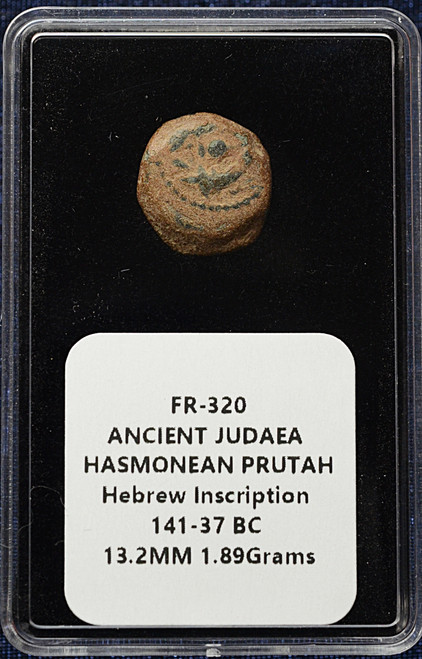
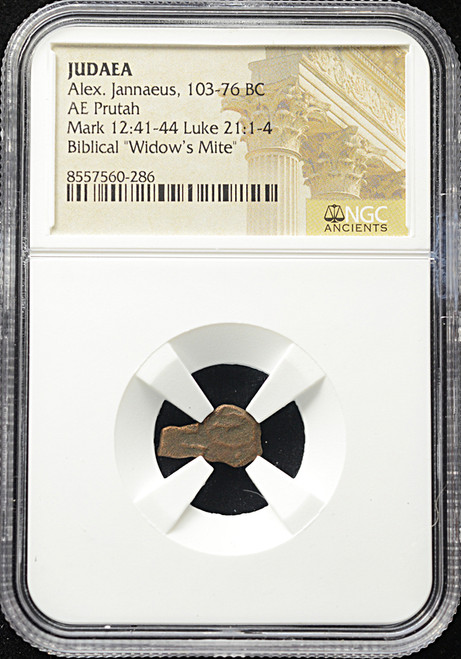
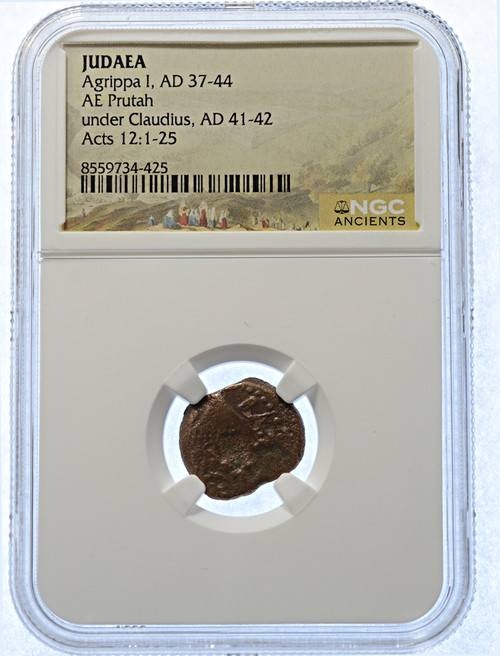
AE Prutah – Biblical "Widow's Mite"
The bronze Prutah was the smallest denomination of coin circulating in ancient Judaea during the Hasmonean period. Struck by the Hasmonean Kings between 135 and 37 BC, these humble coins were used in everyday commerce throughout the Holy Land and are closely associated with the era immediately preceding the birth of Jesus Christ.
Although the biblical "Widow's Mite" is most commonly attributed to the later prutot of Alexander Jannaeus (103–76 BC), the term is widely used by collectors to describe these small bronze coins of ancient Judaea. According to the Gospel accounts, a poor widow donated two tiny coins to the Temple treasury, and Jesus praised her offering because she gave all she had despite its small monetary value (Mark 12:41–44; Luke 21:1–4).
Authority: Hasmonean Kings
Date: 135–37 BC
Denomination: AE Prutah
Composition: Bronze
Region: Judaea (Holy Land)
Era: Biblical Period
Historical Significance
Hasmonean prutot were struck during a pivotal period in Jewish history, following the Maccabean Revolt and the establishment of an independent Jewish kingdom. These coins circulated throughout Jerusalem and the surrounding regions during the late Second Temple period, making them among the most historically significant and accessible biblical-era coins available to collectors today.
Why Collect a Biblical Widow's Mite?
Few ancient coins carry the historical and spiritual significance of the Biblical Widow's Mite. Whether appreciated for its connection to Scripture, Jewish history, or ancient numismatics, the Prutah is one of the most recognizable and sought-after coins of the biblical world. Owning one is an opportunity to hold an authentic artifact from the land and era of the Bible—over 2,000 years old.