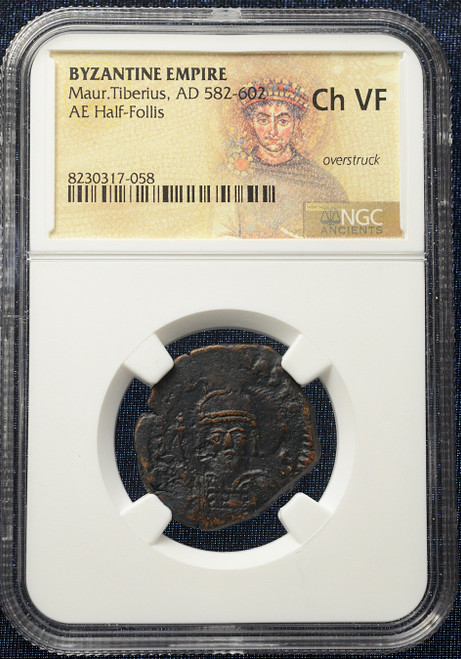
Byzantine Empire
AE/BI Trachy – Curved Cup-Shaped Coin
12th–14th Century
A distinctive Byzantine trachy featuring the characteristic curved, cup-shaped form known as a scyphate coin. These unusual concave coins were a hallmark of Byzantine monetary production from the 11th century onward and continued through the later Byzantine period.
The trachy was a common denomination used throughout the Byzantine Empire, particularly during the 12th to 14th centuries, and was struck in a variety of metals including bronze, copper, and billon (low-silver alloy). The concave shape was created intentionally during striking and became one of the most recognizable features of medieval Byzantine coinage.
These coins often display religious imagery, imperial portraits, or figures of Christ and saints, reflecting the close connection between Byzantine political authority and Orthodox Christianity. Even when worn, the distinctive fabric and curved shape make Byzantine trachea among the most recognizable medieval coins.
Empire: Byzantine Empire
Period: 12th–14th Century
Denomination: Trachy
Metal: AE/BI (Bronze or Billon)
Type: Curved Cup-Shaped / Scyphate Coin
A fascinating medieval Byzantine coin representing the artistic traditions, religious identity, and monetary history of one of the longest-lasting empires of the ancient and medieval world.