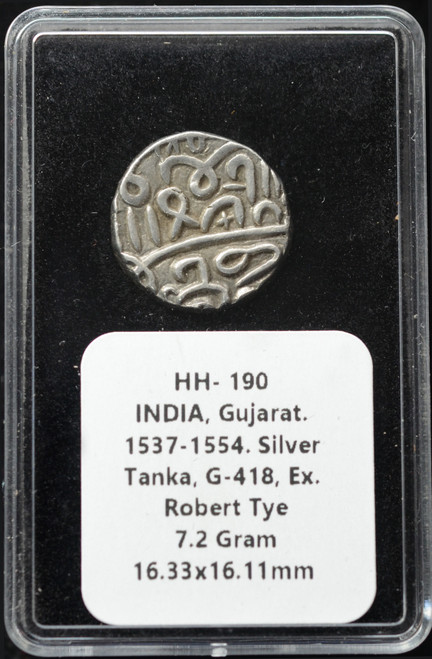
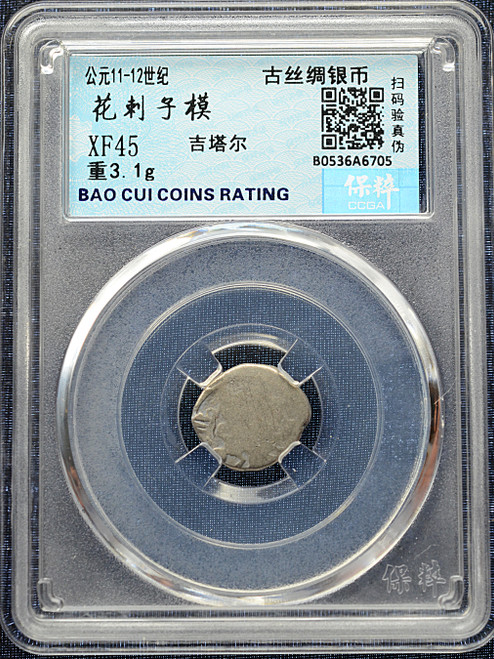
Ancient India Silver Damma – Chaulukyas of Gujarat (Rana Hastin) – Elephant Type – 900–1000 AD
Rana Hastin Silver Damma – Chaulukya Dynasty of Gujarat – Ancient Indian Coin (900–1000 AD)
Own a fascinating piece of early medieval Indian history with this authentic Silver Damma of the Chaulukyas of Gujarat, attributed to the mysterious ruler or title known as Rana Hastin, dating from approximately 900–1000 AD. This exceptionally small silver coin features one of India's most revered symbols—the elephant—representing strength, wisdom, royalty, and spiritual power.
The Rana Hastin coinage is a fascinating and scarce issue in Indian numismatics. Recent research by Fishman and Todd suggests that "Rana Hastin" was likely an honorific title used by an otherwise unidentified 10th–11th century ruler connected with the Chaulukya (Solanki) feudatories of Gujarat or Rajasthan.
Despite its tiny size, this coin carries remarkable historical and cultural significance. The elephant depicted on the obverse reflects the importance of elephants in Indian royal and religious traditions, where they symbolize power, mental strength, prosperity, and divine protection.
Coin Specifications
- Dynasty: Chaulukyas of Gujarat (Solanki Dynasty)
- Ruler/Title: Rana Hastin
- Region: Gujarat / Rajasthan, India
- Date: Approximately 900–1000 AD
- Denomination: Damma
- Metal: Silver
- Weight: 0.48 grams
- Diameter: 8.9 mm
- References: Fishman/Todd U8; Mitchiner 1979 #299ff
Design Details
Obverse:
- Elephant walking right
- Surrounded by a dotted border
Reverse:
- Early Nagari inscription in two lines:
- "Sri Rana"
- "Hasti" / "Hastiya"
- Translation: "King Elephant"
Historical Background – The Chaulukyas of Gujarat
The Chaulukya dynasty of Gujarat, also known as the Solanki dynasty, ruled parts of present-day Gujarat and Rajasthan from approximately 940 to 1244 AD. Their capital was located at Anahilavada (modern Patan, Gujarat), and at various times their influence extended into the Malwa region of central India.
According to traditional legend, the dynasty's founder was created by the Hindu god Brahma from a vessel or "chuluka" filled with sacred Ganges water, giving rise to the name Chaulukya. The dynasty belonged to the Solanki clan of Rajputs and became one of the most important medieval powers of western India.
The Chaulukyas fought numerous conflicts with neighboring kingdoms, including the Paramaras, Chudasamas, and Chahamanas. Under rulers such as Jayasimha Siddharaja and Kumarapala in the 12th century, the kingdom reached its height of political and cultural influence.
The Symbolism of the Indian Elephant
For thousands of years, the elephant has held a place of exceptional importance in Indian culture. Associated with royalty, military strength, wisdom, and prosperity, elephants were symbols of power throughout ancient and medieval India.
In Hindu tradition, the elephant-headed deity Ganesha represents wisdom, success, and the removal of obstacles. The divine elephant Airavata, mount of the god Indra, further reinforces the elephant's association with kingship, rain, fertility, and divine authority.
The elephant design on this coin reflects these deeply rooted cultural beliefs, making it not only a piece of monetary history but also a representation of India's rich artistic and religious heritage.
Why Collect This Coin?
- Authentic medieval Indian silver coin
- Rare Rana Hastin Elephant Type
- Connected to the powerful Chaulukya Dynasty of Gujarat
- Struck approximately 1,000+ years ago
- Features iconic elephant imagery
- Early Nagari script inscription
- Important issue for collectors of:
- Ancient Indian coins
- Hindu coinage
- Rajput and regional Indian dynasties
- Medieval Asian numismatics